



















Multiple Myeloma is a type of blood cancer that develops in plasma cells, a specific type of white blood cell found in the bone marrow. It affects the body’s ability to produce healthy blood cells and can damage bones, kidneys and other organs.
Although the disease may not cause noticeable symptoms during its early stages, understanding its warning signs, diagnostic procedures and available treatment options can help patients seek timely medical attention.
In this article, we explore what Multiple Myeloma is, how it develops, its common symptoms, how doctors diagnose the condition and the treatment approaches currently available.Multiple Myeloma is a type of blood cancer that develops in plasma cells, a specific type of white blood cell found in the bone marrow. It affects the body’s ability to produce healthy blood cells and can damage bones, kidneys and other organs.
Although the disease may not cause noticeable symptoms during its early stages, understanding its warning signs, diagnostic procedures and available treatment options can help patients seek timely medical attention.
In this article, we explore what Multiple Myeloma is, how it develops, its common symptoms, how doctors diagnose the condition and the treatment approaches currently available.
What Is Multiple Myeloma?
Multiple Myeloma is a cancer that develops when plasma cells grow abnormally and multiply uncontrollably in the bone marrow.
Plasma cells normally play an important role in the immune system. They develop from B lymphocytes and produce antibodies (immunoglobulins) that help the body fight infections.
In Multiple Myeloma, abnormal plasma cells accumulate in the bone marrow and produce excessive amounts of an abnormal antibody protein, commonly known as monoclonal protein or M-protein.
As these abnormal cells increase, they can interfere with the production of healthy blood cells, weaken bones and affect kidney function.
Unlike some cancers that form a single solid tumour, Multiple Myeloma commonly affects multiple areas of the bone marrow.
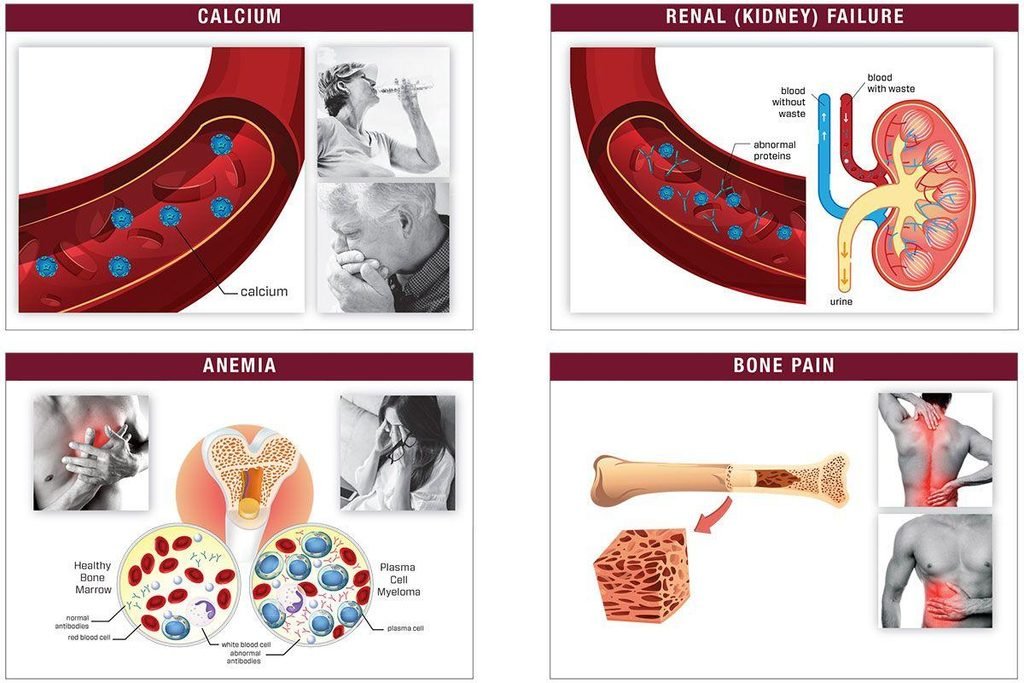
Fig. 1: Healthy Bone Marrow vs. Bone Marrow Affected by Multiple Myeloma
Img Source: roswellpark.org
How Does Multiple Myeloma Develop?
The exact cause of Multiple Myeloma is not fully understood. However, the disease begins when plasma cells undergo genetic changes that cause them to grow and multiply abnormally.
These abnormal cells gradually accumulate in the bone marrow and may produce excessive monoclonal proteins.
The progression of plasma cell disorders can involve different stages:The exact cause of Multiple Myeloma is not fully understood. However, the disease begins when plasma cells undergo genetic changes that cause them to grow and multiply abnormally.
These abnormal cells gradually accumulate in the bone marrow and may produce excessive monoclonal proteins.
The progression of plasma cell disorders can involve different stages:
- Monoclonal Gammopathy of Undetermined Significance (MGUS): An early condition in which abnormal plasma cells produce monoclonal proteins, but there is no evidence of active multiple myeloma.
- Smouldering Multiple Myeloma (SMM): A condition with a greater number of abnormal plasma cells or monoclonal proteins, but without myeloma-defining events.
- Active Multiple Myeloma: A stage in which diagnostic criteria for active disease are met, including specific biomarkers or evidence of organ damage.
Not everyone with MGUS or smouldering Multiple Myeloma will develop active Multiple Myeloma. These conditions generally require appropriate medical monitoring.
Risk Factors for Multiple Myeloma
The exact reason why someone develops Multiple Myeloma is not always identifiable. However, certain factors are associated with an increased risk.
Some recognised risk factors include:
- Increasing age: Multiple Myeloma is more commonly diagnosed in middle-aged and older adults.
- Gender: The condition is more frequently diagnosed in men than women.
- Family history: Having a close family member with Multiple Myeloma may be associated with a higher risk.
- Previous plasma cell disorders: A history of MGUS or plasmacytoma is associated with an increased risk of developing Multiple Myeloma.
- Certain environmental exposures: Exposure to radiation and some occupational chemicals has been investigated as a possible risk factor.
Having one or more risk factors does not necessarily mean that someone will develop Multiple Myeloma.
Signs and Symptoms of Multiple Myeloma
The symptoms of Multiple Myeloma can vary depending on the extent of the disease and the organs affected.
Some individuals may not experience noticeable symptoms during the early stages. In other cases, symptoms develop as abnormal plasma cells accumulate in the bone marrow.
Common signs and symptoms include:
- Bone Pain: Persistent bone pain is one of the common symptoms, particularly in the back, ribs, hips and skull. Abnormal plasma cells can interfere with normal bone remodelling, leading to weakened bones and an increased risk of fractures.
- Persistent Fatigue and Weakness: Multiple Myeloma can interfere with the production of healthy red blood cells, resulting in anaemia. Reduced red blood cell levels may cause:
- Persistent tiredness.
- General weakness.
- Dizziness.
- Shortness of breath.
- Frequent Infections: Abnormal plasma cells can interfere with the immune system’s normal antibody production. As a result, patients may become more vulnerable to infections and may take longer to recover.
- Kidney Problems: Abnormal monoclonal proteins produced by myeloma cells can accumulate and damage the kidneys. Some patients may experience changes in kidney function, swelling in the legs, reduced urine output or other symptoms associated with kidney impairment.
- Increased Calcium Levels: Bone damage can release calcium into the bloodstream, resulting in a condition known as hypercalcaemia. Possible symptoms include:
- Excessive thirst.
- Frequent urination.
- Constipation.
- Nausea.
- Muscle weakness.
- Confusion.
- Increased Risk of Fractures: As the disease affects bone tissue, bones may become weaker and more vulnerable to fractures, sometimes following relatively minor injuries.
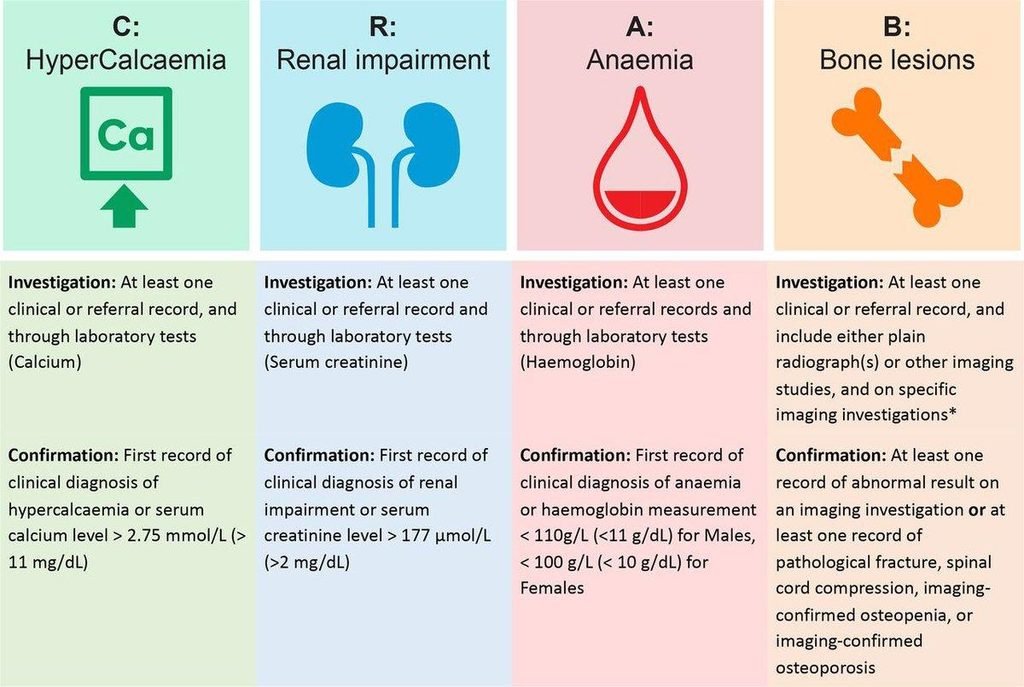
Fig. 2: Major Organ Effects Associated with Multiple Myeloma (CRAB)
Image Source: Top Biomedical Science – X Handel
How Does Multiple Myeloma Affect the Body?
Multiple Myeloma can affect several important body systems.
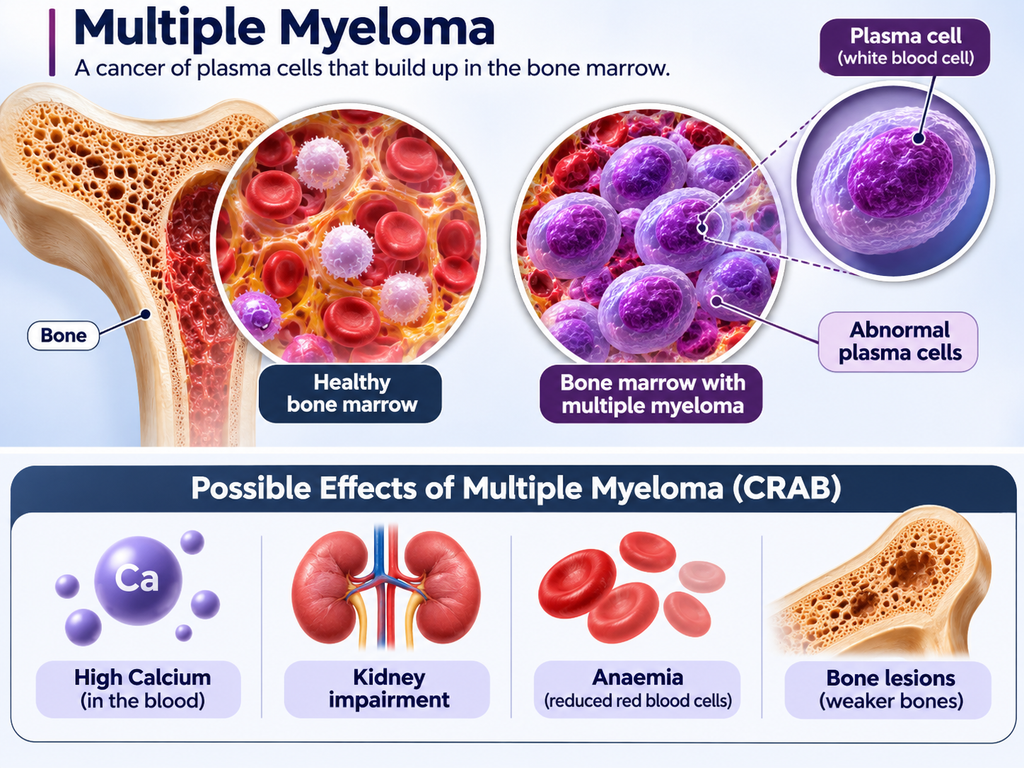
Doctors commonly use the term CRAB to describe four major features of organ damage associated with active Multiple Myeloma:
- C – Calcium elevation: Increased calcium levels in the blood due to bone damage.
- R – Renal impairment: Reduced kidney function associated with abnormal proteins and other disease-related factors.
- A – Anaemia: Reduced red blood cell production due to bone marrow involvement.
- B – Bone lesions: Areas of bone damage that can cause pain and increase fracture risk.
These features are important in the medical evaluation of Multiple Myeloma. However, not every patient develops all four complications.
How Is Multiple Myeloma Diagnosed?
Diagnosing Multiple Myeloma involves a combination of clinical evaluation, laboratory investigations and imaging studies.
Doctors use these tests to identify abnormal plasma cells, detect monoclonal proteins and assess whether the disease has affected other organs.
Common diagnostic investigations include:
- Blood Tests: Blood investigations help assess overall health and identify abnormalities associated with Multiple Myeloma. These may include:
- Complete Blood Count (CBC) to check red blood cells, white blood cells and platelets.
- Serum calcium to identify elevated calcium levels.
- Serum creatinine and kidney function tests.
- Serum protein electrophoresis (SPEP) to detect abnormal proteins.
- Serum free light chain assay.
- Beta-2 microglobulin and albumin for disease assessment and staging.
- Urine Tests: Urine investigations help identify abnormal monoclonal proteins and evaluate kidney involvement. Tests may include urine protein electrophoresis and urine immunofixation.
- Bone Marrow Aspiration and Biopsy: A bone marrow aspiration and biopsy help determine whether abnormal plasma cells are present and assess their proportion in the bone marrow. Additional laboratory studies, including immunophenotyping and genetic testing, may help classify the disease and assess risk.
- Imaging Tests: Imaging studies help identify bone damage and assess the extent of the disease. Depending on the clinical situation, doctors may recommend:
- Whole-body low-dose CT scan.
- MRI.
- PET-CT scan.
- Other appropriate skeletal imaging.
Understanding the SLiM-CRAB Diagnostic Criteria
Modern Multiple Myeloma diagnosis is not based only on visible symptoms or organ damage.
The International Myeloma Working Group (IMWG) introduced additional biomarkers, collectively known as SLiM-CRAB criteria, to help identify active Multiple Myeloma before significant organ damage develops.
The SLiM criteria include:
- S – Sixty percent: Clonal plasma cells account for 60% or more of bone marrow cells.
- Li – Light chains: The involved-to-uninvolved serum free light chain ratio is at least 100, with the involved light chain level at least 100 mg/L.
- M – MRI findings: More than one focal lesion is identified on MRI, with each lesion measuring at least 5 mm.
The CRAB features represent evidence of myeloma-related organ damage.
A diagnosis of active Multiple Myeloma generally requires at least 10% clonal plasma cells in the bone marrow or a biopsy-proven plasmacytoma, together with at least one myeloma-defining event.
These criteria must be interpreted by qualified specialists alongside the complete clinical and laboratory findings.
Treatment Options for Multiple Myeloma
Treatment for Multiple Myeloma depends on several factors, including the patient’s age, general health, disease stage, genetic risk profile, kidney function and eligibility for specific therapies.
Although Multiple Myeloma is generally considered a chronic and currently incurable blood cancer, advances in treatment have significantly expanded the available management options.
Common treatment approaches include:
- Chemotherapy: Chemotherapy uses medicines to destroy cancer cells or prevent them from multiplying. It may be used as part of combination treatment depending on the patient’s condition and treatment plan.
- Targeted Therapy: Targeted therapy uses medicines designed to interfere with specific proteins or biological processes that help cancer cells survive and multiply. Proteasome inhibitors are an important class of targeted medicines used in Multiple Myeloma treatment.
- Immunotherapy: Immunotherapy helps the body’s immune system recognise and attack cancer cells. Certain monoclonal antibodies, bispecific antibodies and other immune-based treatments are used in selected patients.
- Immunomodulatory Drugs: These medicines influence immune system activity and can help control the growth and survival of myeloma cells. They are commonly used in combination treatment regimens.
- Stem Cell Transplantation: Autologous stem cell transplantation may be considered for eligible patients. It generally involves collecting the patient’s own blood-forming stem cells, administering high-dose chemotherapy and returning the collected stem cells to help restore bone marrow function.
- Supportive Care: Supportive treatment is an important part of Multiple Myeloma management. It may include:
- Medicines to protect bone health.
- Treatment for anaemia.
- Management of kidney complications.
- Infection prevention and treatment.
- Pain management.
- Nutritional and psychological support.
The most appropriate treatment plan should always be determined by a qualified haematologist or oncologist.
Can Multiple Myeloma Be Prevented?
Currently, there is no established method to prevent Multiple Myeloma.
The exact causes of the disease are not fully understood, and many people diagnosed with Multiple Myeloma have no identifiable risk factors.
However, maintaining regular healthcare consultations and investigating persistent unexplained symptoms may help identify health problems earlier.
People diagnosed with MGUS or smouldering Multiple Myeloma should follow their specialist’s recommended monitoring schedule.
Living With Multiple Myeloma: The Importance of Ongoing Care
Managing Multiple Myeloma involves more than treating abnormal plasma cells.
Patients may require regular blood and urine investigations, kidney function monitoring, imaging studies and assessment of treatment response.
Important aspects of ongoing care include:
- Attending scheduled medical appointments.
- Following the prescribed treatment plan.
- Reporting new or worsening symptoms.
- Taking precautions to reduce infection risk.
- Maintaining appropriate nutrition and physical activity as advised by the treating team.
- Discussing treatment-related side effects with healthcare professionals.
A coordinated approach involving oncologists, haematologists, nephrologists and other healthcare professionals can help address the different complications associated with the disease.
Frequently Asked Questions (FAQ)
1. Is Multiple Myeloma a type of blood cancer?
Yes. Multiple Myeloma is a type of blood cancer that develops in plasma cells, a type of white blood cell responsible for producing antibodies.
2. What are the early warning signs of Multiple Myeloma?
Common warning signs include persistent bone pain, unexplained fatigue, recurrent infections, weakness and kidney-related abnormalities. Some patients may not experience noticeable symptoms in the early stages.
3. Which organs are commonly affected by Multiple Myeloma?
Multiple Myeloma primarily affects the bone marrow and bones. It can also affect kidney function, blood cell production and the immune system.
4. Can Multiple Myeloma affect kidney function?
Yes. Abnormal monoclonal proteins produced by myeloma cells can damage the kidneys. Elevated calcium levels, dehydration and other complications may also contribute to kidney problems.
5. How is Multiple Myeloma diagnosed?
Diagnosis involves blood tests, urine investigations, bone marrow aspiration and biopsy, and appropriate imaging studies. Doctors also evaluate the SLiM-CRAB diagnostic criteria.
6. Is Multiple Myeloma curable?
Multiple Myeloma is generally considered an incurable but treatable cancer. Modern treatment approaches can help control the disease, achieve remission and improve quality of life. Outcomes vary between individuals.
7. What is the difference between Multiple Myeloma and MGUS?
MGUS is a non-cancerous plasma cell disorder in which abnormal monoclonal proteins are present without myeloma-defining events. Multiple Myeloma is a malignant plasma cell disorder that meets specific diagnostic criteria.
8. Who treats Multiple Myeloma?
Multiple Myeloma is generally managed by a haematologist or medical oncologist with experience in plasma cell disorders. Other specialists, including nephrologists, may be involved when kidney complications occur.
Conclusion
Multiple Myeloma is a complex blood cancer that affects plasma cells in the bone marrow and can have significant effects on bones, kidneys, blood cell production and immune function.
Understanding its symptoms, risk factors and diagnostic procedures is important for recognising potential warning signs and seeking appropriate medical evaluation.
With advances in chemotherapy, targeted therapy, immunotherapy and stem cell transplantation, several treatment options are now available to help manage the disease.
Early medical assessment, accurate diagnosis and continued specialist care remain essential components of Multiple Myeloma management.
Medical Disclaimer
This article is intended for general educational and informational purposes only. It should not be considered a substitute for professional medical advice, diagnosis or treatment. Always consult a qualified healthcare professional regarding medical concerns or treatment decisions.
References
- National Cancer Institute (NCI) – Plasma Cell Neoplasms, Including Multiple Myeloma
- American Cancer Society – Signs and Symptoms of Multiple Myeloma
- International Myeloma Foundation – Diagnostic Criteria for Multiple Myeloma
- National Cancer Grid, India – Adult Hematolymphoid Malignancies Management Guidelines

